1. There is an existential crisis for the software industry
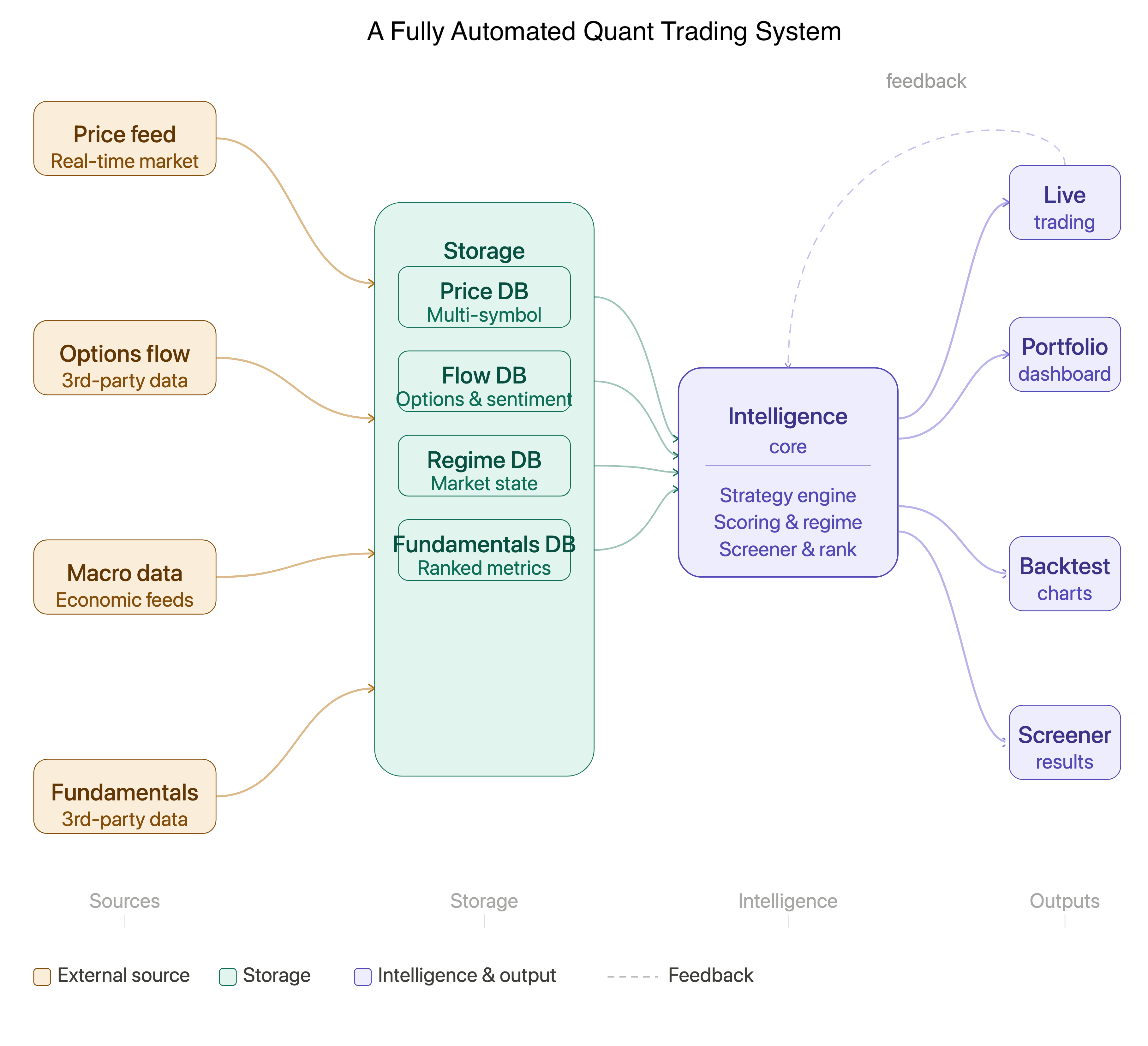
The level of sophistication, prowess, and speed exhibited in software development by AI agents is simply revolutionary. By working with Claude, I have been able to compress a development task that would have required a team of 3–4 people over 2+ years into just one person in 5 weeks. This compression in time and human resources does not compromise quality or rigor — rather, it reinforces the DevOps principles of rapid iteration and continuous improvement, delivering both speed and precision.
This also means a small team with complementary skills can now aspire to take on scaled projects that were once the exclusive domain of mega corporations. The implications are profound and far-reaching for how organisations are structured and resourced.
2. What is working well
The ability of an AI agent to interpret natural language prompts and translate them into itemised development tasks is as good as human experts. But it does not stop there. The agent can rapidly scan dependencies and gaps, then recommend how to close them effectively from both internal and external sources. For writing code, it generates alternative approaches and development paths for consideration. For testing, it writes code to evaluate performance and verify consistency. Debugging can be interactive and personalised, with the agent guiding the user through step-by-step testing directly in terminals or GUIs.
3. What is not working too well
The AI agent knows what is known to the public. This is one of its greatest strengths, but also the origin of its limitations. When I am already at the boundary of my knowledge envelope and trying to push it further, I often find the agent lacks an edge: the ability to cut through the current envelope and think genuinely outside of it.
The first-pass success rate is also on the low end. For a task of reasonable complexity, the initial version of the code hardly goes without bugs. More problematic is when the agent gets stuck in a loop, repeatedly invalidating a method it has already tried without conviction. This is the moment where human intervention becomes essential.
4. What I think is a good practice
At this stage, the strength of AI agents lies primarily in their breadth of general knowledge, logical reasoning, and speed in building out codebases. They remain prone to intermittent errors and hallucinations. This means AI agents excel as builders and enabling assistants, but should not be the ones making business-critical decisions. For a critical system, the architecture should rely on conventional databases for data persistence and processing, and deterministic code for logic execution — leaving AI agents for the foundational build and semantic interpretation.
To cap it: AI agents are the builders and interfaces, not the engine itself. The organisations that navigate this transition well will be those that deploy AI agents where they excel, while preserving human judgment and deterministic systems where reliability and accountability are non-negotiable.
