
Why Markets Climb on Fear: Nobody Left to Fold
Poker earns most of its money from hands that never reach a showdown, and the mechanism has a name: fold equity, the value of a bet that comes purely from the chance the other players give up. The same thing runs in markets. 8% of sessions since 1990 carried a third of everything the S&P 500 has made, and they were the sessions nobody wanted to own.
What Does FED's First Rate Hike Actually Cost?
The first hike of a tightening cycle costs the S&P 500 7.5 percentage points against its own base rate over the following quarter. Every hike after it is a non-event. Six first hikes since 1994, sixteen policy turns since 1954, and one result that survives a significance test.
The Meter and the Lease: Why Agents Have Not Eaten Software Yet
Software fell 31% into April on the argument that AI agents would destroy per-seat pricing, then recovered the lot by August. The earnings show the forecast was half right: the meters did spin faster, but the seats never went away. The damage landed somewhere else entirely.
Situational Awareness: Being Right and Wrong in the AI Trade
A fund that was right about the AI build-out sold the bulk of its public book to Citadel in a single block, six days after telling investors the sell-off was a buying opportunity. The thesis survived and still stands. Leverage, concentration and a crowd did the damage.
The Crowded Kospi: How Korea's Memory Trade Was Exploited
A single-stock leveraged-ETF pile-up on SK Hynix turned a real memory supercycle into a reflexive machine. The mechanical rebalancing flow it created handed institutions the other side, and the unwind ran faster than the build. Ahead of the 29 July print, a look at how crowding gets read and exploited.
Financing the Machine: Bank Profits and the AI Build-Out
Record Q2 bank profits were made in trading and underwriting, and much of the underwriting financed the AI build-out. The banks have become the financing layer of the capex cycle. We test whether credit conditions lead the turn, and find they confirm it rather than lead it.
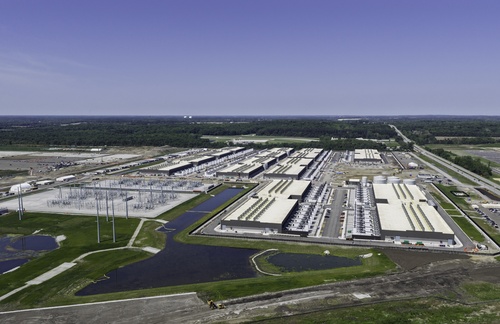
Where Does the AI Build-Out Top First: Peaking Is a Wave
The AI build-out tops as a wave, moving out from the GPU, and only the tip has turned. Estimates are still rising everywhere while the tape has already repriced most of the complex. Memory is inflecting up on a supply squeeze, with a 2027 clock.
The $75 Billion Bill: Who Funds the SpaceX IPO
Someone has to hand SpaceX $75 billion. To buy that much new stock and stay fully invested, the rest of the market has to sell $75 billion of what it owns. The closest cousins are too thin to carry it, so the bill falls on the liquid AI mega-caps and semis — and the index rotation is only the visible tip.

The Stars Our Destination: SpaceX Files for IPO
SpaceX’s S-1 hit the SEC on 20 May 2026. A $20 billion bridge loan forces the IPO, xAI and X have been folded in, and Starlink is paying for everything. The deal is a referendum on whether the equity market can still finance voyages into the unknown.

A Chronicle Tale of Nvidia Investors
Six investors embark on a journey as a once-in-a-generation opportunity unfolds. A tale of vision, patience, discipline, and learning the hardest part of investing.
Berkshire’s Cash Pile Tells Nothing about the Market
$397 billion in cash is not a market signal. It is the receipt for the largest missed opportunity in modern investing history.
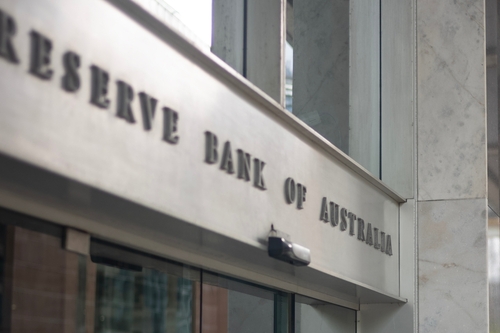
Australia RBA Cash Rate: Air Conditioning with the Window Open
The RBA has hiked three times in 2026 while most central banks cut or hold. Australia’s inflation is supply-driven — and rate hikes do not fix supply shocks.

The AI Capex Machine: When Does It Stop?
The four largest hyperscalers have committed $700 billion in AI capex for 2026. We model when the cash flow constraint forces the first guidance cut — and what reprices when it does.
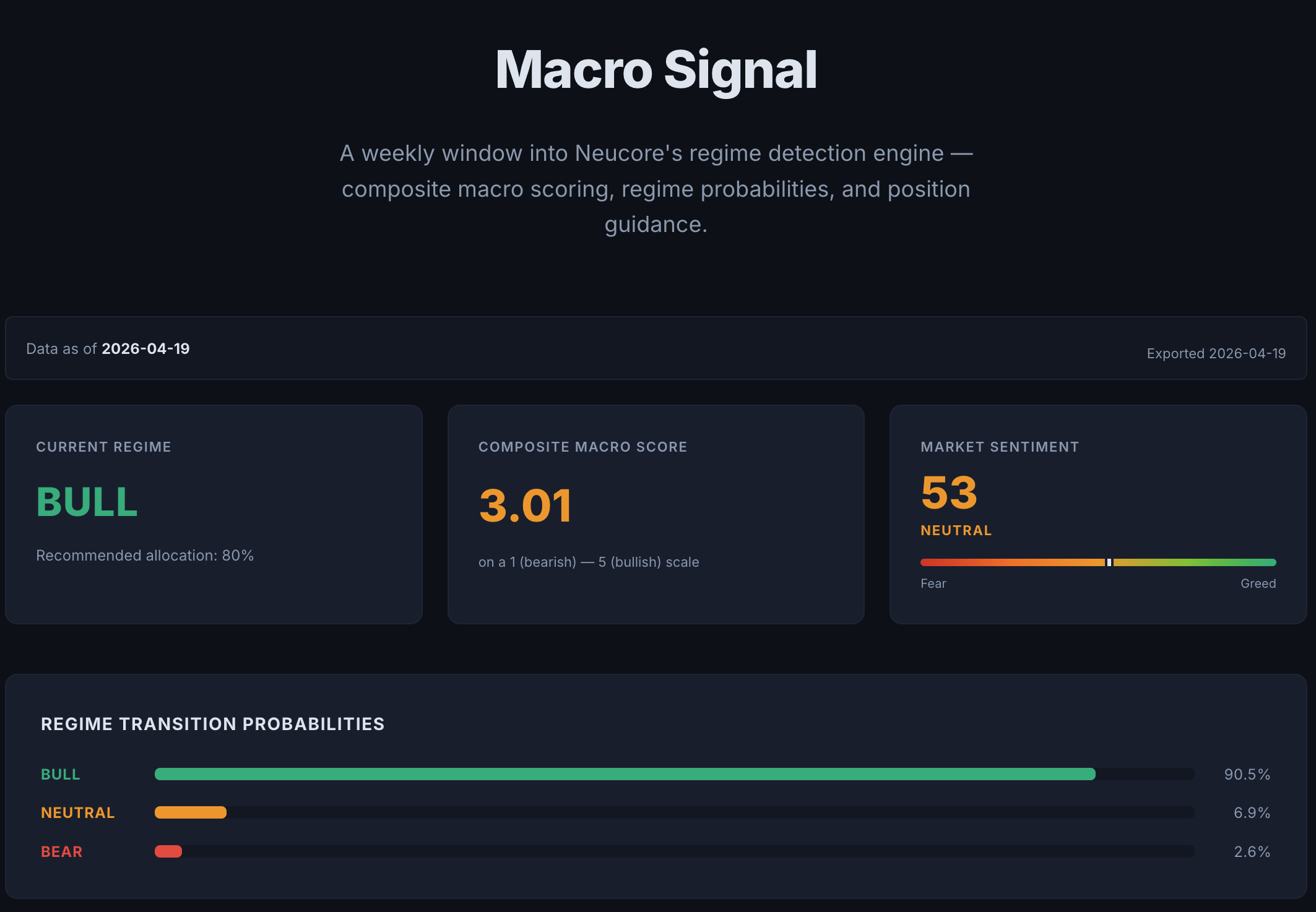
Reading the Macro Page — A Primer
A guide to the neucore.ai macro page — how the macro score, market regime, sentiment index, and backtest chart work together to describe the U.S. equity backdrop.
A Negative-Sum Game, Being Reshaped by AI
Sharpe's arithmetic makes short-term trading negative-sum after costs — and AI does not break the math. It concentrates the winners, homogenises the losers, and grows the rake.

The Next Crowded Trade Will Be Built by Machines
AI agents are democratising quantitative trading — but if everyone's agent finds the same alpha, the oldest systemic risk in markets arrives through a faster channel.